The LA Emissary Loop January 2026
What’s new?
Overview of our recent community survey, conducted by the Othering & Belonging Institute at UC Berkeley.
Key insights and takeaways from the survey.
Plus, find out what they’re saying about us via featured comments from participants.
Welcome to the January 2026 edition of our newsletter,
The LA Emissary Loop!
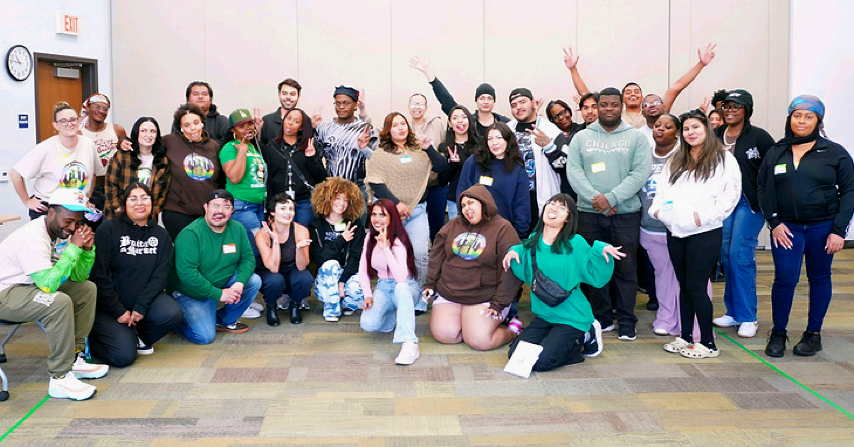
This month, we are directing our focus toward our findings from the community survey conducted by the Othering & Belonging Institute at UC Berkeley. We received feedback from 46 young individuals across the eight Service Planning Area (SPA) Teams regarding their experiences of engagement in youth power building work and their feelings of inclusion and belonging. Here are a few highlights:
Building Relationships and a Sense of Belonging: Young people reported a belonging score of ~80 outof 100. The participants’ sense of belonging is most strongly associated with the quality and continuity of their relationships. Participants rated their experience with SPA teams very positively, with an average score of 4.67 out of 5.
Growing Advocacy: Approximately 85% of respondents attended advocacy workshops, and 72% attended SPA convenings, both of which were linked to higher senses of connection.
Safety and Inclusion: The assessment measured 19 dimensions of belonging, including safety and opportunities for authentic participation, which were rated positively by the majority of participants. Feedback highlighted the creation of safe and healing environments that foster unity and community among young people and their partners in this work.
Keep reading for more survey findings and our list of resources available for youth and young adults throughout LA County.
Youth Survey Feedback
Key Insight: increased engagement
Advocacy Workshops: 85% of respondents (39 out of 46) attended advocacy workshops.
SPA Convenings: 72% of respondents (33 out of 46) participated in SPA convenings.
Training & Education: 67% of participants engaged in additional training events, which is positively linked to higher average belonging scores.
“I love that this safe and healing space has been created,
it makes me feel unity and community.”
Takeaways
Strong positive associations were observed in areas of peer acceptance and having trusted support systems. By focusing on relational consistency and relational quality, we have helped to create a space where individuals feel safe, accepted, and connected.
Based on the responses, we identified that experience with SPA teams and advocacy workshop attendance are the most critical areas for continued investment. More flexible, trauma-informed engagement practices are the way to continue building on youths’ sense of belonging.
“The trainings are incredibly informative and
instrumental in supporting our advocacy roles.”
Together, we have built a foundation for continued progress and long-term community belonging.
Resources for Young People in LA
Click here to find a SPA Team near you.